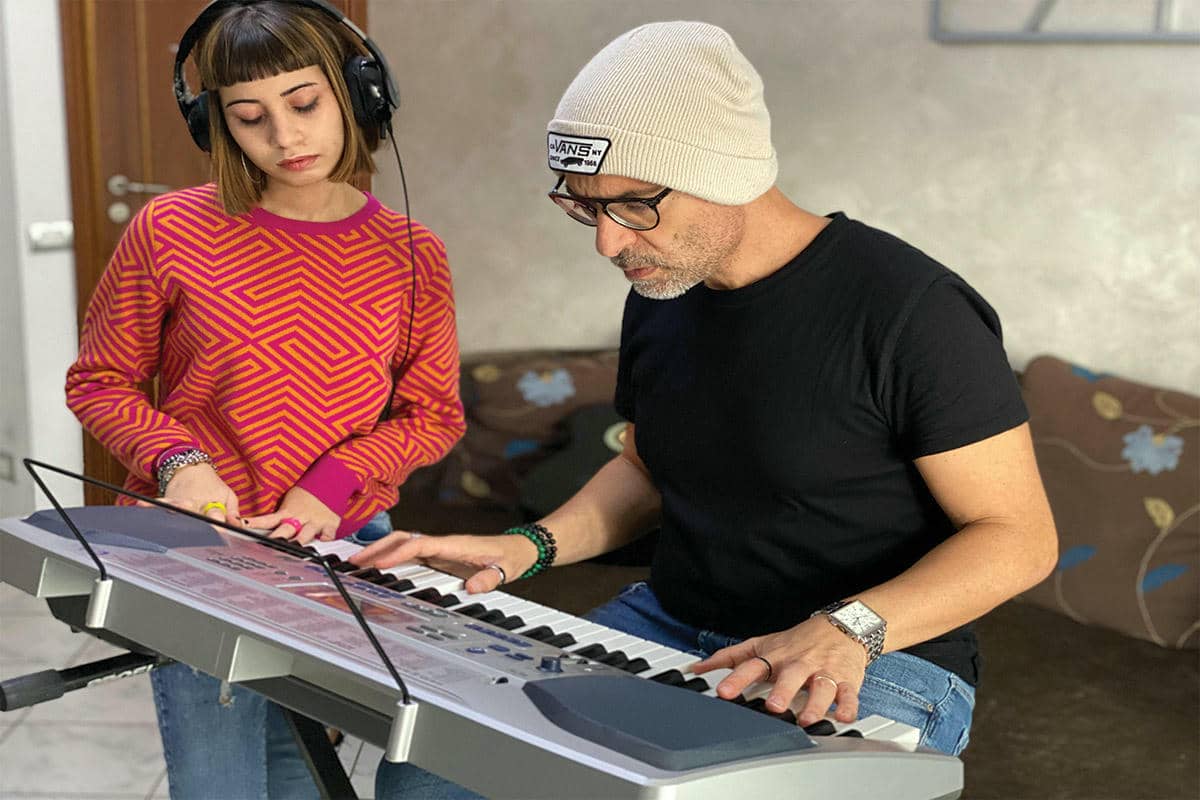
The Versatility of Digital Piano Lessons
Digital piano lessons have become increasingly important in modern music education because they bridge the gap between classical technique and contemporary technology. Unlike traditional pianos, digital instruments often come equipped with tools that accelerate learning, such as built-in metronomes, recording capabilities, and a variety of instrument voices that keep practice engaging. Crucially, digital pianos allow for silent practice via headphones. This feature removes the “performance anxiety” of practicing where others can hear every mistake, allowing students to experiment freely and clock in practice hours late at night or early in the morning without disturbing their household—a massive advantage for busy families.
Why CIMA is the Ideal Place to Learn
Central Illinois Music Academy (CIMA) is an excellent choice for digital piano instruction because it likely recognizes that a digital piano is a distinct instrument with its own set of advantages, not just a “substitute” for an acoustic. A good academy environment ensures that students learning on digital instruments are still held to high standards of technique—specifically regarding weighted keys and touch sensitivity. At CIMA, instructors can guide students on how to leverage the digital features (like backing tracks or MIDI connectivity) to enhance their musicality while ensuring they don’t develop “lazy fingers” often associated with unweighted keyboards. Furthermore, the academy setting provides a community where digital piano students can easily collaborate with other musicians, plugging into sound systems for ensemble work that acoustic pianos can’t easily accommodate.
The Process of Learning Digital Piano
The process of learning the digital piano parallels traditional piano but includes mastering the instrument’s unique interface. Students start by learning the geography of the 88 keys and proper hand posture, which is critical even on digital keys to prevent strain. However, the curriculum often diverges early on to include “tech literacy”—teaching students how to use the split-keyboard function (playing bass with the left hand and piano with the right), how to record themselves to self-critique their timing, and how to play with a drum loop rather than just a ticking metronome. This approach cultivates a musician who is not only a pianist but also comfortable with the technological aspects of modern music production.