The Value of Piano Lessons at Central Illinois Music Academy (CIMA)
Enrolling in piano lessons at a dedicated institution like the Central Illinois Music Academy (CIMA) offers distinct advantages over self-teaching or isolated private instruction. Academies like CIMA typically provide a structured environment that fosters consistent musical growth, connecting students with a community of peers and resources that might otherwise be inaccessible. Beyond just learning notes, students at CIMA are immersed in a culture of music appreciation, where the curriculum is often designed to balance technical proficiency with creative expression. This institutional support ensures that students—whether beginners or advanced players—have access to performance opportunities, standardized curriculums, and a professional atmosphere that treats music education as a serious, yet joyful, discipline.
Why a Good Music Teacher is Essential
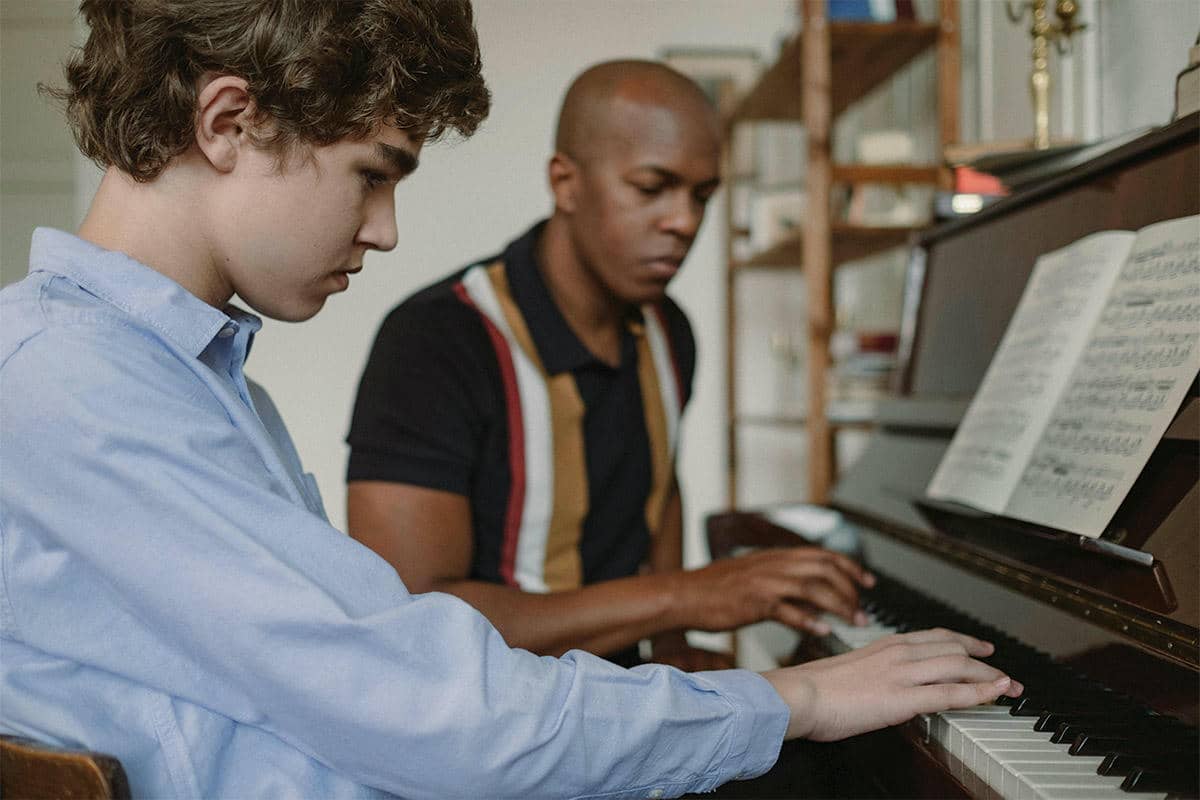
The importance of a high-quality music teacher cannot be overstated; they act as the primary architect of a student’s musical foundation. A skilled instructor does more than correct wrong notes—they prevent the formation of “bad habits” such as poor posture, tension, or incorrect fingering, which can cause injury or hinder progress years down the line. As noted by music educators, a good teacher provides a roadmap through the complex landscape of music theory and technique, tailoring their approach to the student’s unique learning style. They offer immediate, personalized feedback that apps or video tutorials cannot, identifying specific hurdles and providing custom exercises to overcome them. Furthermore, a great teacher serves as a mentor and motivator, keeping students accountable and inspiring them to push through the inevitable plateaus of learning an instrument.
How Lessons Accelerate Improvement
Consistent lessons are the catalyst for rapid and sustainable improvement in piano playing. Regular instruction creates a feedback loop where students are constantly challenged to refine their skills, from mastering rhythm and dynamics to understanding the emotional nuance of a piece. This structure enforces discipline and practice habits that translate into tangible progress. For children and adults alike, this process sharpens cognitive abilities, improves hand-eye coordination, and builds resilience. By breaking down complex pieces into manageable goals, professional lessons turn an overwhelming task into a series of achievable victories, building confidence and ensuring that the student doesn’t just “play” the piano, but truly understands the music they create.